
D&D 5e: Dual Wielder Proves Two Weapons Are Better Than One
D&D 5e: Dual Wielder Proves Two Weapons Are Better Than One
SOURCE: Player’s Handbook
Rating the Benefits of Dual Wielder
Benefit #1 –
While wielding two separate melee weapons, gain a +1 bonus to AC
Bonuses to AC are always good. +1 AC is half the bonus from a shield, which is respectable considering the DPS increase from wielding two weapons.
Benefit #2 –
A character can fight with two weapons even when they don’t have the “light” quality
Light weapons typically do 1d6 damage. Larger one-handed weapons that qualify for this feat do 1d8. This works out to effectively +1 damage per attack roll, which is a solid damage bonus for a character that makes so many attacks.
Benefit #3 –
A character can draw or stow two weapons at once
Finishing off with a fluffy trait. Most GMs won’t care about drawing or stowing two weapons at once unless it’s going to seriously interfere with combat and an enemy is focused on disarming the party. But still, this is nice to have for the times it comes up.
Mechanics and Requirements
Understanding How It Functions
The Dual Wielder feat can be roughly divided into two parts; a boost to AC, and being able to dual wield bigger weapons.
Dual Wielder and boosted AC
The first part of the Dual Wielder feat is simple. While a character holds a weapon in each hand, they gain +1 to AC.
In 5e, a shield gives a character +2 to AC. This is the general tradeoff for dual-wielding, especially at early levels. An extra attack on the bonus action, but becoming much easier to hit. Essentially, trading damage for tankiness.
The Dual Wielder feat gives 50% of this toughness boost back, at least, while a character is holding a pair of blades. And if they’re in combat, they should be.
Static bonuses to AC like this are a rare sight in 5e. It’s common for a character to go up half a dozen levels, into the next tier of play, and for their AC to only increase by 1 or 2 points.
While it might look minor, the boost to AC is a genuinely valuable part of the feat and one that will see repeated general use, especially when combined with other defensive buffs (defense fighting style, Warforged AC buff, magic items, etc.)
Dual-wielder weapon options
The second part of the Dual Wielder feat allows a character to use two weapons even if they don’t have the “light” quality.
Without the feat, a character can only dual-wield weapons that have the light quality. This limits characters to a small list of weapons like the Shortsword, or Handaxe. Among these weapons, the largest damage dice available is a 1d6.
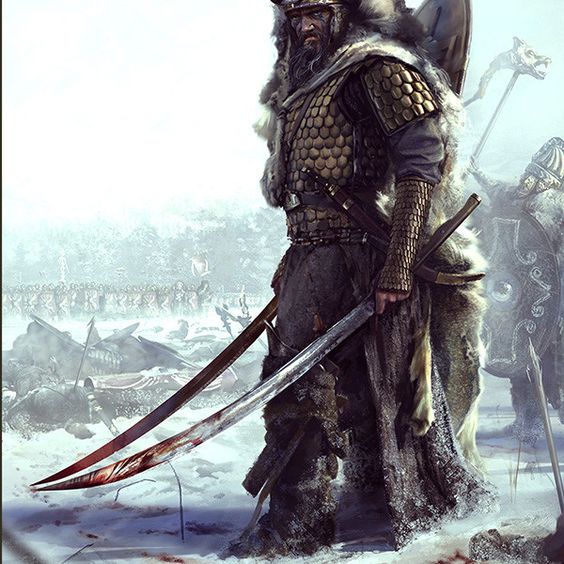
With the Dual Wielder feat, a character can comfortably use any one-handed weapon. This opens up the full list of weapons, many of which are substantially better:
- The Battleaxe, Longsword, and Warhammer are all 1d8 damage martial weapons
- Rapiers are 1d8 martial weapons with the finesse quality, great for Dex-based characters!
- Whips have reach and finesse, letting a character strike out to 10ft while dual-wielding, a unique bonus, and amazing for Rogues.
- Lances are one-handed while mounted. While it’s silly, a character can wield two lances while they’re mounted if they have this feat
- Interestingly, a net is a one-handed weapon, so triggers the bonus action attack after being thrown, or can be used as a bonus action after attacking. Carry a spare weapon to draw and use afterward.
The biggest advantage most characters will see from the above list of weapons is the simple benefit of picking up a weapon with a larger damage dice.
Upgrading your weapon from a shortsword (d6) to a longsword (d8) might not look like much, but works out to +1 damage per damage roll. On a character making three attacks, that’s a potential +3 damage per round, which can easily stretch into double figures over a normal combat encounter.
Key Stats
While the Dual Wielder feat doesn’t offer an ASI of its own, the good news is that two-weapon fighting can work equally well with either Strength or Dexterity.
There’s an argument that a character intending to take the Dual Wielder feat should max their main combat stat first, especially if they’re running a Dex build. The benefits of this feat, namely +1 damage and +1 to AC, are functionally equivalent but inferior to just taking +2 to Dex.
Ideal Characters for Dual Wielder
Top Classes
Ranger – The Ranger class has been a premier dual weapon wielder since those halcyon days of 1e.
Access to the fighting style in class, great spell support, and the ability to pump Dex and comfortably shift into ranged combat are all amazing things to have. Choosing the Gloom Stalker subclass for even more attacks in the first round of combat, plus a ton of stealth benefits to go with your high Dex.
Paladin – While the base class has no real support for the style, choosing to wield two weapons as a Paladin allows a character to output some ridiculous burst damage, Smiting several times per turn, every single turn.
The Oath of Vengeance is a decent subclass, packing innate access to the Hex spell and an ability that allows at-will advantage against big, key enemies.
Fighter – No class attacks more often or specializes as hard as a Fighter. Action Surge + two weapons is a potential 5 attacks in a turn, from as early as level 5.
Every subclass really is fantastic here, but Rune Knight gains space control and bonus damage, and the Battlemaster can stack maneuvers atop the million attacks they’re gonna be making.
Barbarian – Barbarians gain bonus damage on every attack they make while raging, as long as they’re using Strength to wield both weapons. Reckless Attack also allows the class to switch on advantage for their massive flurry of attacks, guaranteeing as many of them hit as possible.
Race or Subrace Choices
Elf – Elven weapon proficiencies generally include the rapier, shortsword, and longsword, all of which are great targets for dual wielding.
Bugbear – An increase of 5ft to attack range on your turn is basically unique as a racial bonus, and one of the only ways for a two-weapon character to attack at more than 5ft range, letting a character stab targets from 10ft away with both their swords.
Half-Orc – Two weapons mean more attacks, which means more crits, stacking nicely with the increased critical damage of the Half-Orc.
Combos, Tactics, and Synergies
Complementary Feats
Elven Accuracy – Rerolling dice every time you have advantage can add up to a lot of extra hits over an adventuring day.
Fighting Initiate – This feat is a way to pick up the two-weapon fighting style if your chosen class doesn’t get it.
Spells that Synergize
Hex/Hunter’s Mark – An extra d6 damage on every attack that lands is a large damage bonus, even if you have to give up your first turn’s bonus action attack to use either of these.
Strategies for Maximizing Dual Wielding Effectiveness
Stacking the damage
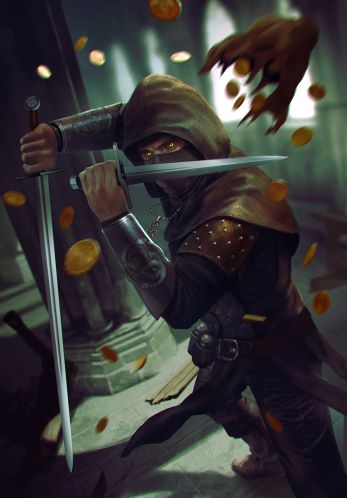
The best thing about dual-wielding is the sheer volume of attacks an optimized build can throw out.
Many feats and spells in 5e add damage to every character an attack makes. Easy examples already touched on in this article are the Hex and Hunter’s Mark spells, which add 1d6 damage every time a character deals damage to a creature.
Potential ways to boost damage include:
- Armorer Artificer Guardian armor comes with a pair of simple weapons built into it
- Barbarian Rage
- Bard Blades subclass Flourishes
- Spores Druid Symbiotic Entity
- Paladin Smites
- Multiple Ranger features, including Favored Foe, and Swarmkeeper
- Warlock Hexes and Eldritch Smites
- Spells that add damage to attacks, including Hex, Elemental Weapon, Divine Favor, Crusader’s Mantle, and many more
- Flat damage bonuses from magic weapons
Two weapon fighting and small characters
One interesting interaction with the Dual Wielder feat is how it works with small characters.
The big draw here is that small characters can’t use a weapon that has the Heavy trait. That locks out the two most competitive fighting styles in terms of damage; Polearm Master and Great Weapon Master.
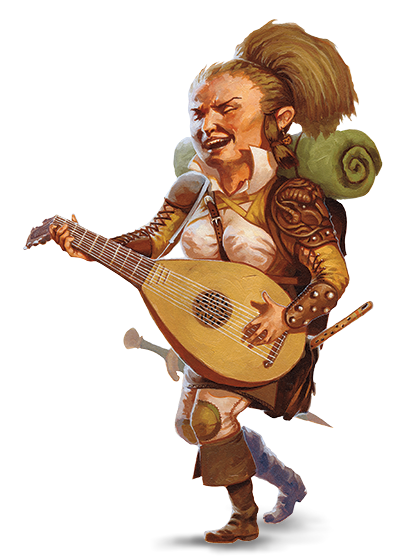
But nothing is saying your 3ft tall, 40lb gnome can’t hold twin battleaxes, each of which is almost the size of them.
If you’re dead set on making an effective melee build with a small character, dual-wielding weapons that have 1d8 damage dice might just be one of the best paths forward.
Hexblade Warlocks and dual-wielding
One interesting interaction with the dual-wielding feat is Hexblade Warlocks. The Hex Warrior feature stacks with the Blade Pact boon and specifically states the bonus to attacking with Charisma extends to every pact weapon the character conjures, as well as the weapon they touch at the start of the day.
(This sounds janky, but has been clarified to work by Sage Advice here.)
This turns the character single-stat reliant, built entirely on Charisma. The Warlock chassis also comes with the Hex spell built-in, and the character levels can stack damage atop each one of their attacks.
Unfortunately, as cool as this is, the Warlock class needs bonus actions to remain competitive in damage, and the Hexblade has multiple ways to spend the resource. While this build is awesome, it’s probably not very good.
Dual Wielder and the Action Economy
The biggest issue with dual-wielded weapons in D&D 5e is that to remain competitive in damage, a character has to permanently spend their bonus action, every single turn.
The problem with this is that many classes have multiple ways to spend bonus actions, many of which are key to specific class mechanics or abilities.
As a simple example, the Barbarian’s primary combat mechanic, Rage, costs a bonus action to activate. From level 3, when the Barbarian has 3 uses of Rage per day, there are very few situations where the character isn’t going to want to spend their bonus action in the first round on Rage. The class ability is simply that impactful.
Knowing this locks out the bonus action attack of dual-wielding for that round. Most combat encounters in 5e are over in 3-4 rounds, at best. So, being conservative, 25% of the increase to damage from the extra attack, the entire point of dual wielding, is wasted for a Barbarian.
It gets worse for characters who have spells or abilities that use bonus actions. A Bard, for example, might want to use class abilities like Mantle of Inspiration on their allies or cast a spell as a bonus action. A Ranger might want to use Hunter’s Mark or any similar subclass feature.
The Rogue especially is a class that appreciates having a second attack on hand to trigger Sneak Attack, as it doesn’t naturally gain the Extra Attack feature. Except many Rogues are going to be spending their bonus every single turn on Cunning Action to position correctly, or on any of the half-dozen subclass features that also fight for its use.
There are many proposed fixes for two-weapon fighting in 5e. This article doesn’t have the scope to cover possible changes. We’ll leave that for a later time.
The key takeaway is instead this; when creating a character who uses two weapons in 5e, be aware of overlap in action usage, and know that you need your bonus action to stay on par with other optimized damage builds.
Final Thoughts on Dual Wielder
Dual Wielder isn’t a bad feat, in its niche. Everything it offers is thematic and effective at making a character better at using two weapons. It’s just a shame that its niche, two-weapon fighting, really isn’t that great in D&D 5e.
Every person who has ever played 5e imagined a character who was some sort of dual-wielding badass. If that’s what you want to be, more power to you. It’s an awesome and fun archetype.
As long as you’re aware that you’re building into probably the least efficient fighting style in 5e, the Dual Wielding feat is the best way of fulfilling that fantasy, while still remaining competitive in terms of damage and combat effectiveness.